
AR

Sudan

Sudan is a country of deep history, broad cultural diversity, and striking natural contrast, spanning the Nile, the desert, and the Red Sea with strong opportunities in agriculture, investment, and tourism.

Why Sudan?

  • A strategic location connecting East Africa and the Arab region.
  • Strong agricultural and natural-resource potential with export opportunities.
  • A remarkable civilizational heritage with unique archaeological sites.
  • Rich cultural and linguistic diversity across communities.

Quick Facts

Agriculture image
Agriculture
Investment and infrastructure image
Investment
Tourism image
Tourism

1) Agriculture

Agriculture is the backbone of Sudan's economy, employing over 60% of the workforce. Key crops include sorghum (staple), millet, cotton, sesame, and gum arabic across irrigated and rain-fed subsectors.

  • Production & crops: Main food staples are sorghum and millet. Key cash crops include gum arabic, cotton, peanuts, and sesame.
  • Major subsectors: modern irrigated farming (e.g., Gezira Scheme), mechanized rain-fed farming, and traditional rain-fed farming.
  • Economic impact: agriculture remains central to livelihoods, but 2024 saw a 16% decline in its GDP contribution due to conflict.
  • Current challenges: farmer displacement, damaged infrastructure, and high input costs.
  • Resource potential: over 73 million hectares of arable land, with roughly 26 million cultivated annually.
  • Animal resources: cattle, sheep, goats, and camels are vital for domestic food security and export.

2) Investments

Sudan offers high-risk, high-reward opportunities, especially in agriculture, gold mining, oil, and infrastructure. With large arable land and mineral potential, Sudan seeks foreign investment to modernize the economy.

Key Investment Sectors

  • Agriculture & livestock: opportunities in cotton, sesame, gum arabic, sugar, and export-oriented livestock value chains.
  • Mining & oil: gold is a major commodity, with additional potential in iron, chrome, copper, and silver.
  • Infrastructure & transport: road networks, energy systems, and water infrastructure remain priority areas.
  • Industry: agro-processing, food production, textiles, leather, and pharmaceuticals.

Why Invest in Sudan

  • Strategic location: gateway between North/Sub-Saharan Africa with Red Sea access and links to major markets.
  • Rich resources: agricultural land, water resources, forests, livestock, petroleum, gold, and other minerals.
  • Infrastructure & services: ongoing development in transport, ports, airports, telecom, power, and industrial zones.
  • Economic policies & incentives: investment facilitation, one-stop-shop procedures, tax/customs concessions, and legal guarantees.
  • Regional integration: COMESA membership and active pursuit of broader international trade and investment links.

3) Tourism

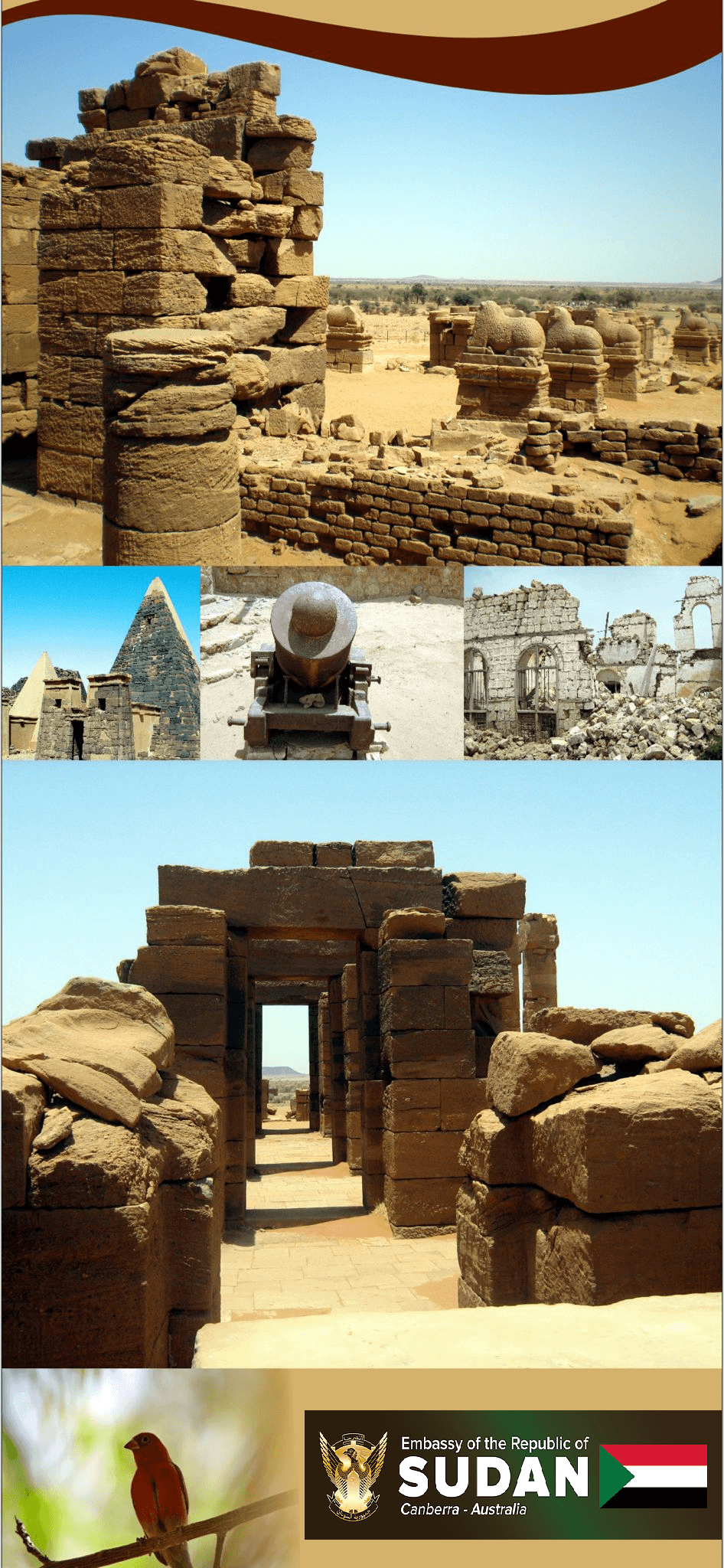
Sudan offers a rich tapestry of Nubian history and natural wonders, highlighted by the UNESCO-listed Meroe Pyramids, Gebel Barkal, and Red Sea marine sites.

Top Archaeological & Historic Sites

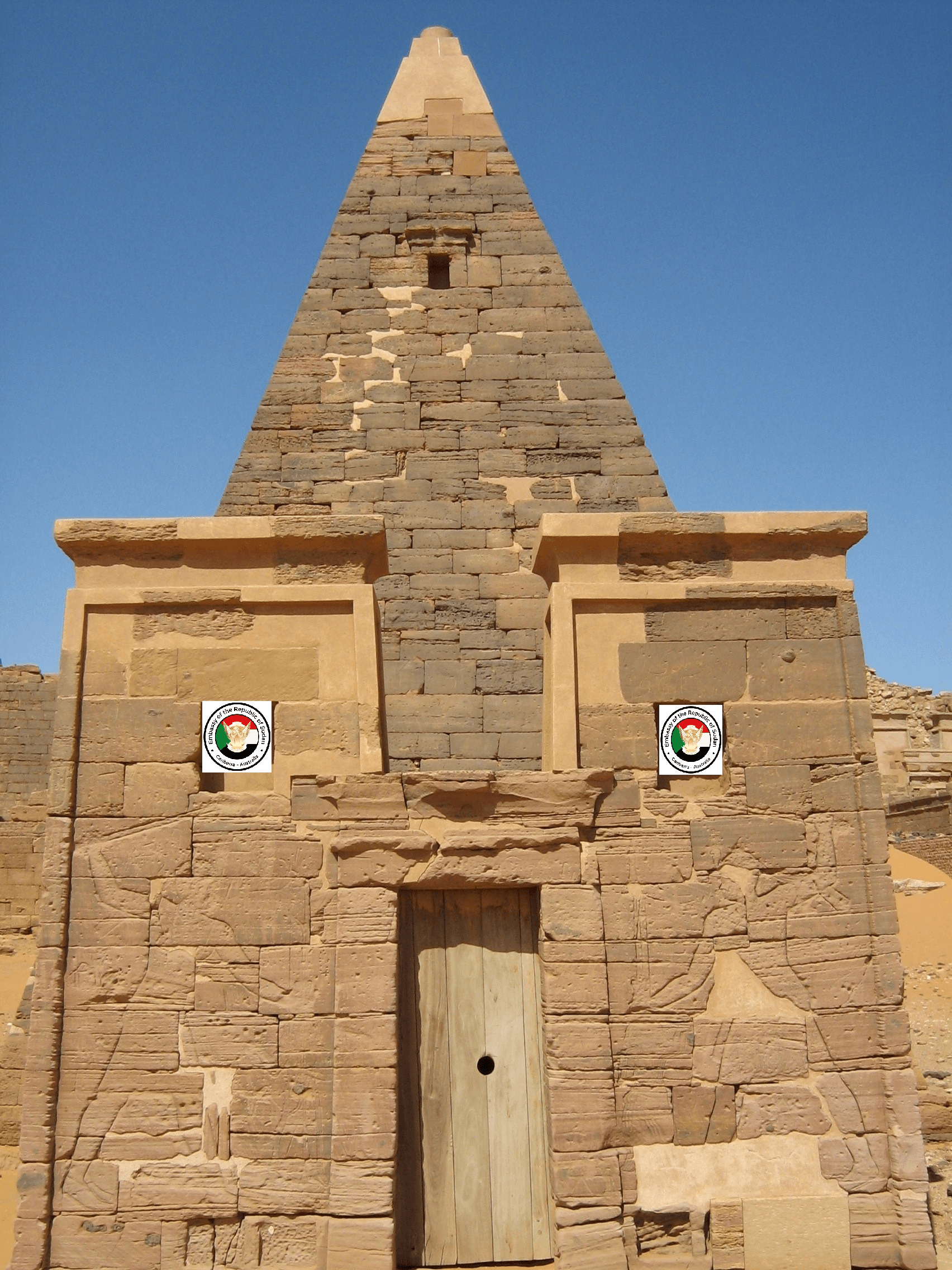
  • Meroe Pyramids: Sudan's iconic Nubian pyramids, famous for desert sunrise views.
  • Gebel Barkal: sacred mountain near Karima with temples and smaller pyramids.
  • Naqa & Musawwarat es-Sufra: exceptional archaeological complexes with well-preserved temples.
  • Soleb, Kerma, and historic Sawakin: key heritage locations along the Nile and Red Sea corridor.

Natural Wonders

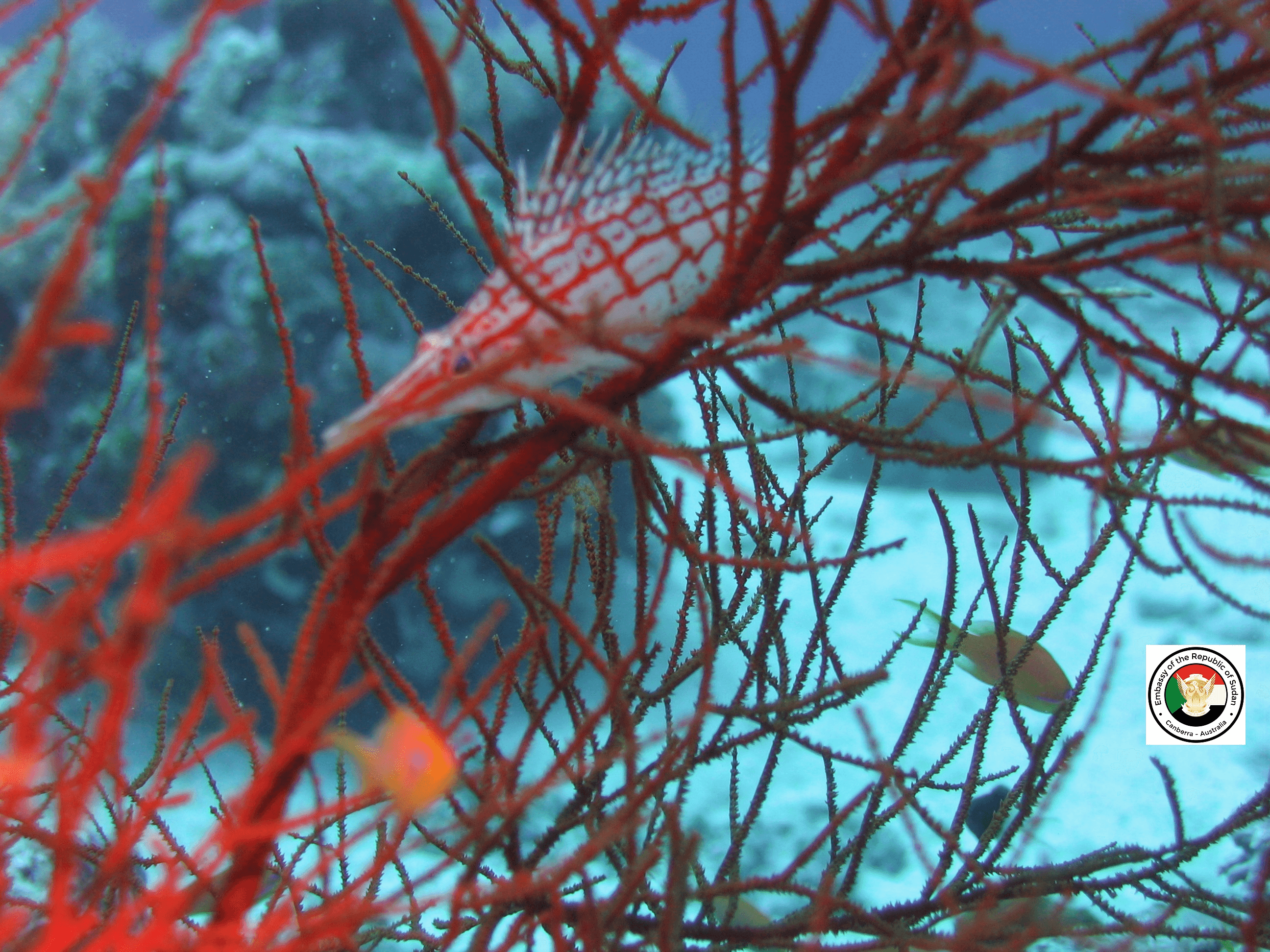
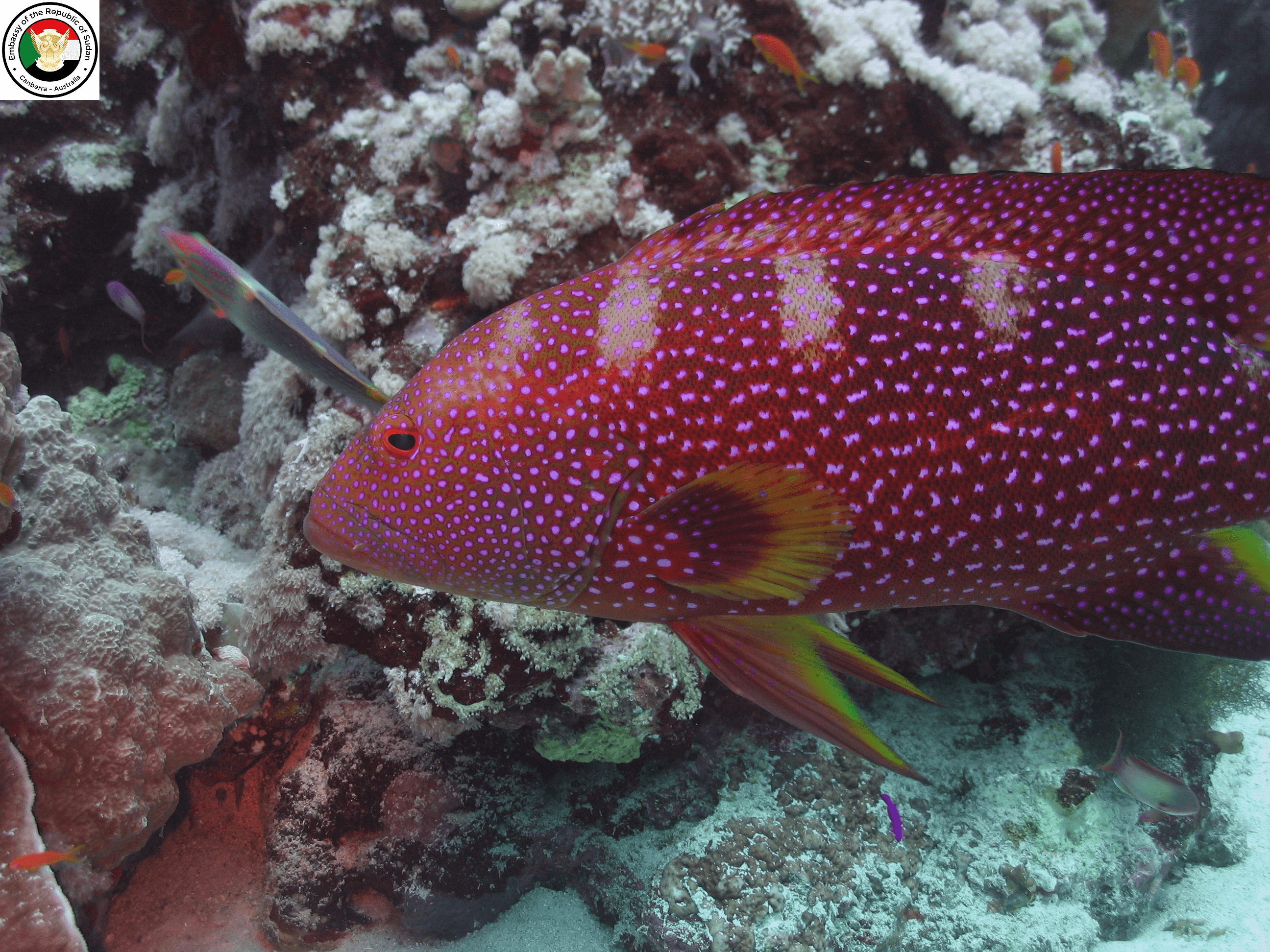
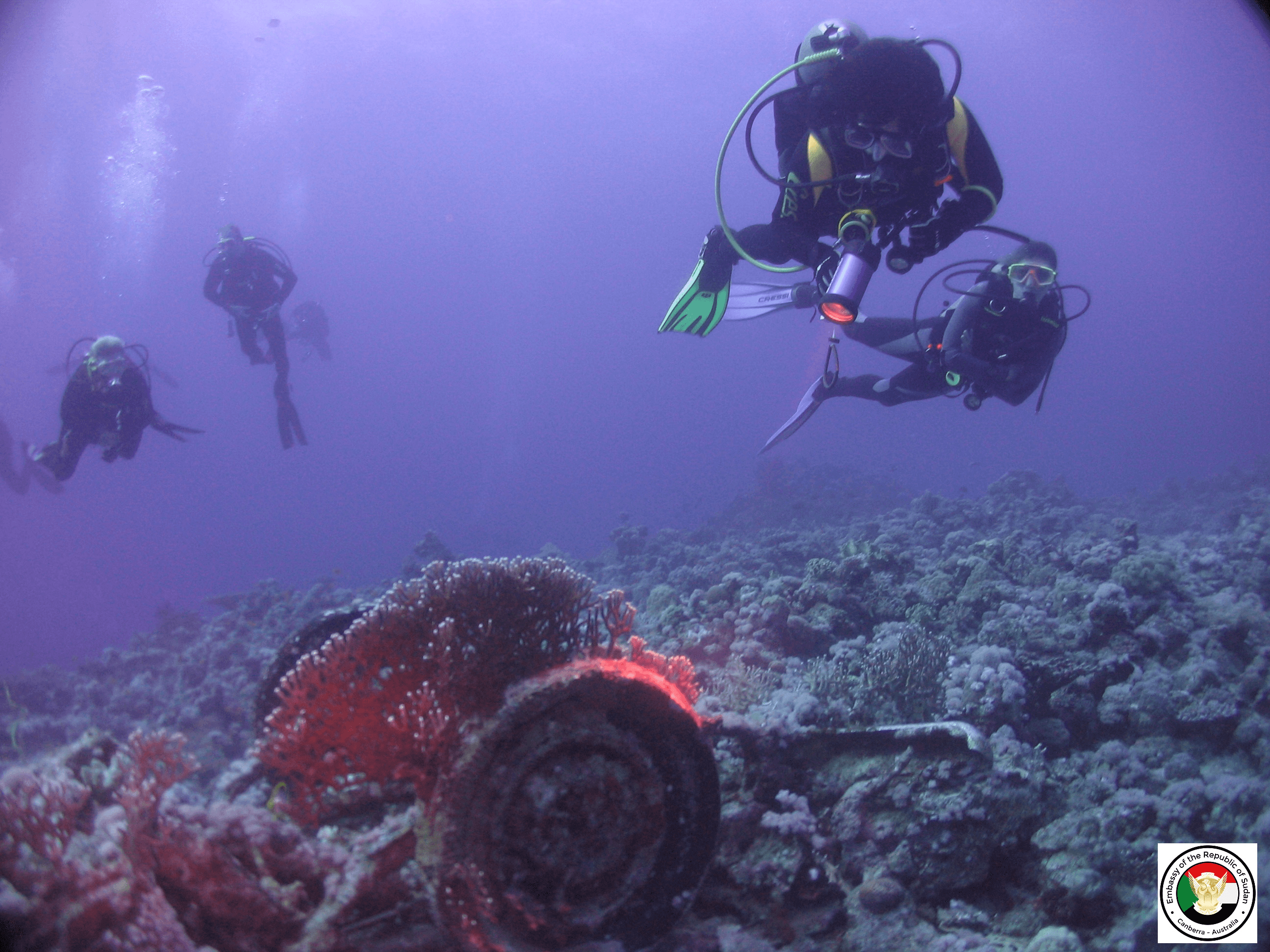
  • Sanganeb National Park: coral reefs and world-class diving in the Red Sea.
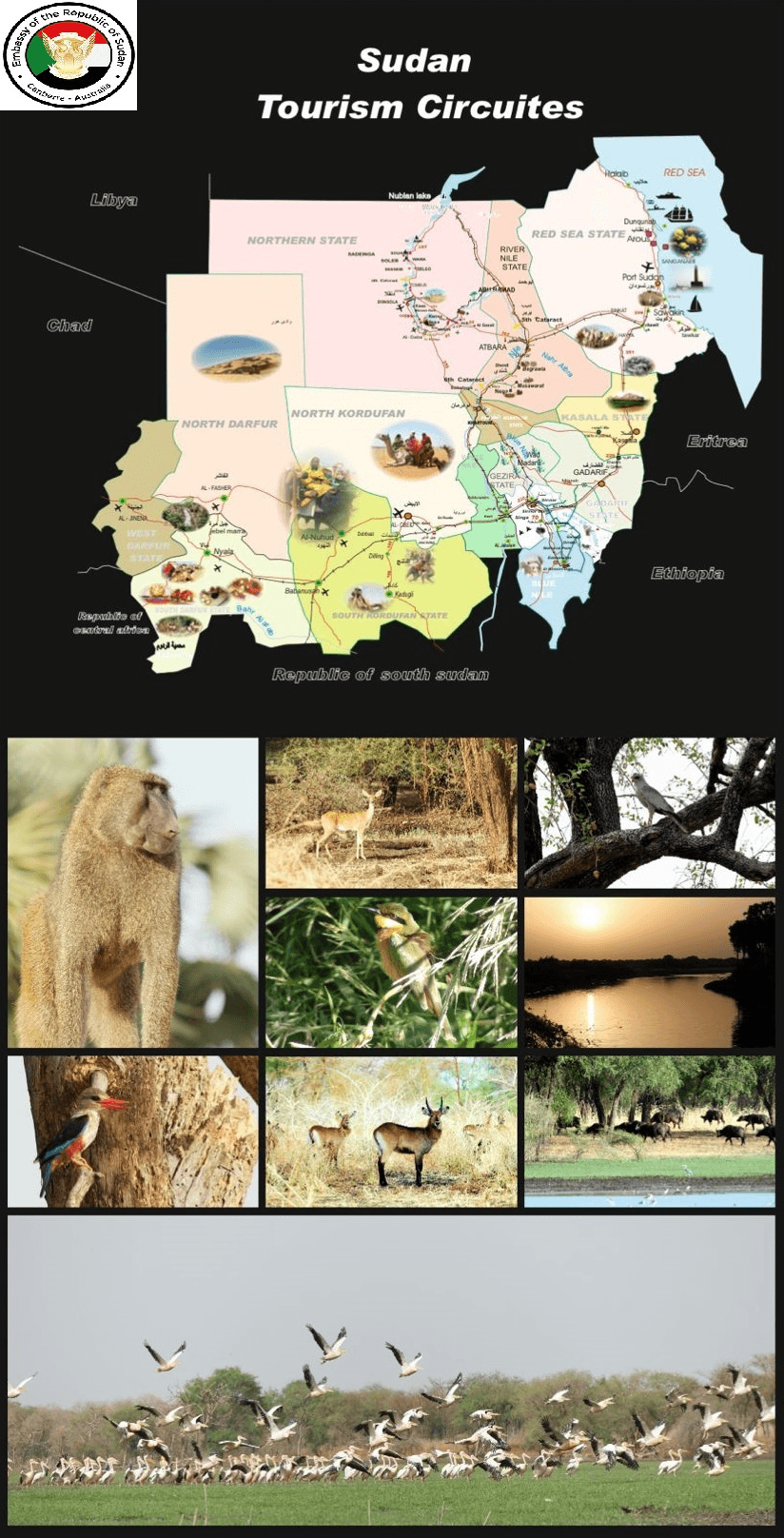
  • Dinder National Park: major biosphere reserve for wildlife viewing.
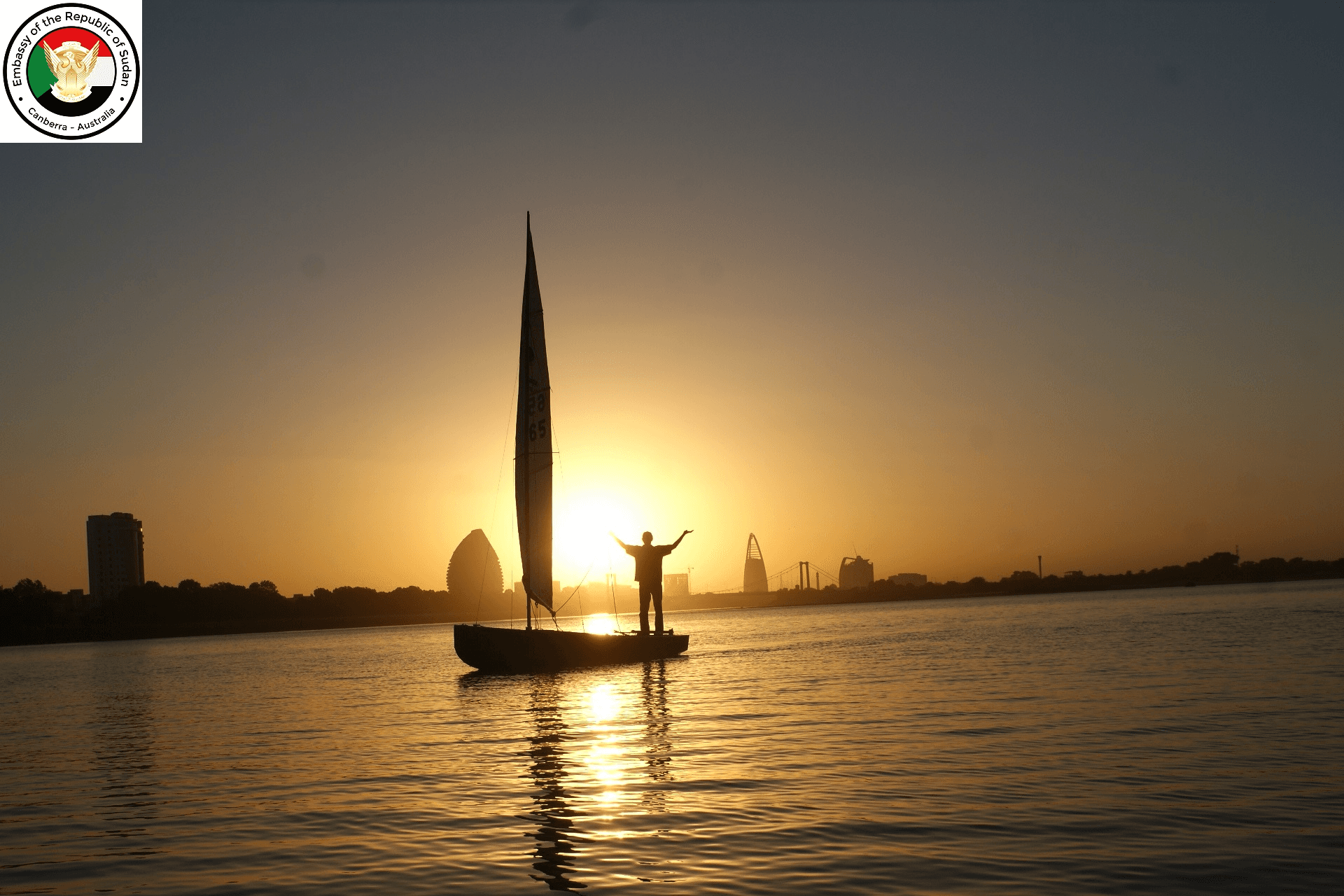
  • Nile landscapes and desert geography: dramatic scenery for cultural and eco tourism.

Important Travel Advice

  • Safety: review current government travel advisories before planning any trip.
  • Transport: many heritage locations are remote and are best reached by organized tours or private 4x4 vehicles.
  • Best time to visit: November to February generally offers cooler weather for site exploration.

Sudan Photo Gallery

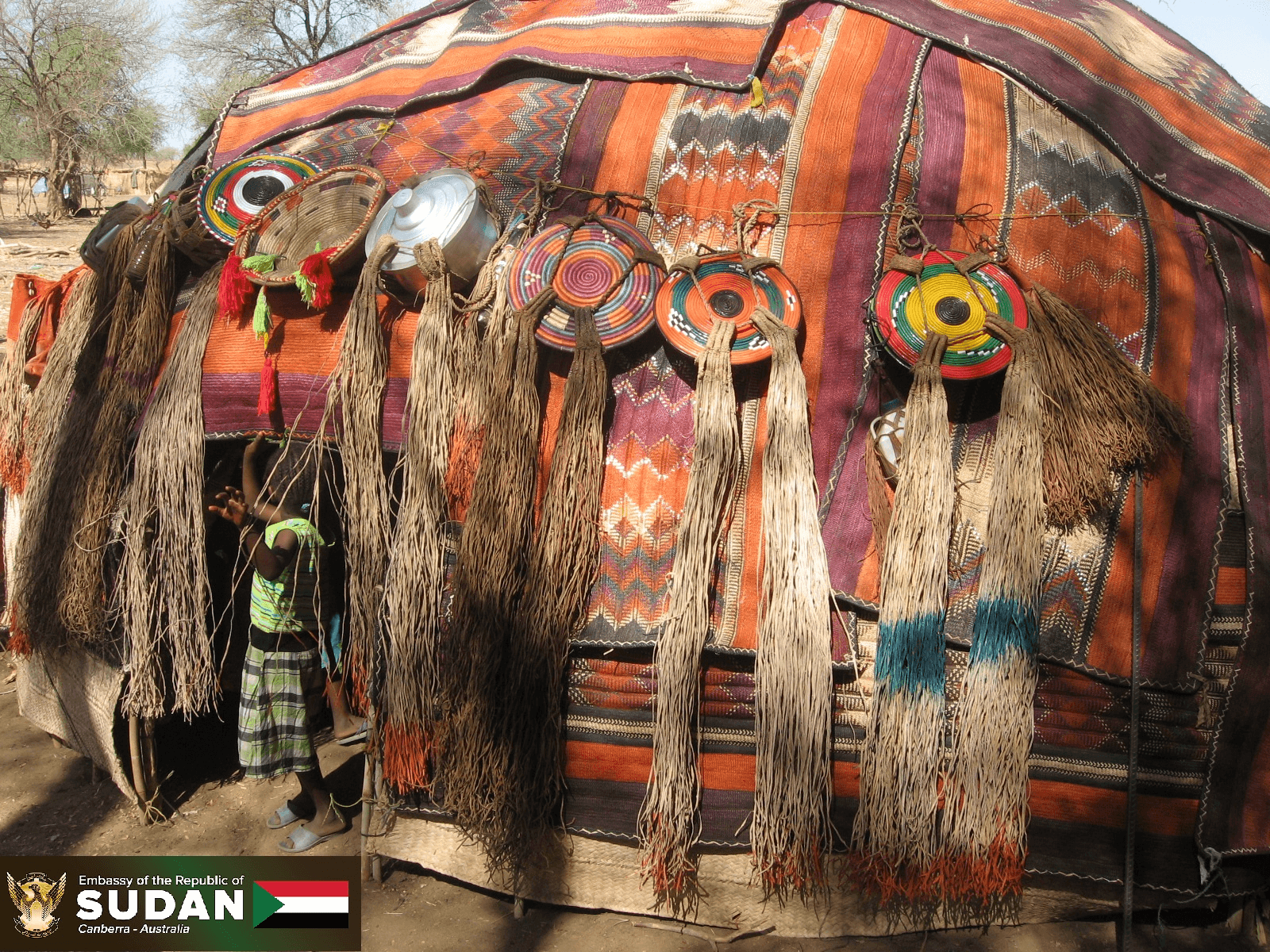
Sudan 1Sudan 2Sudan 3Sudan 4Sudan 5Sudan 6Sudan 7Sudan 8